

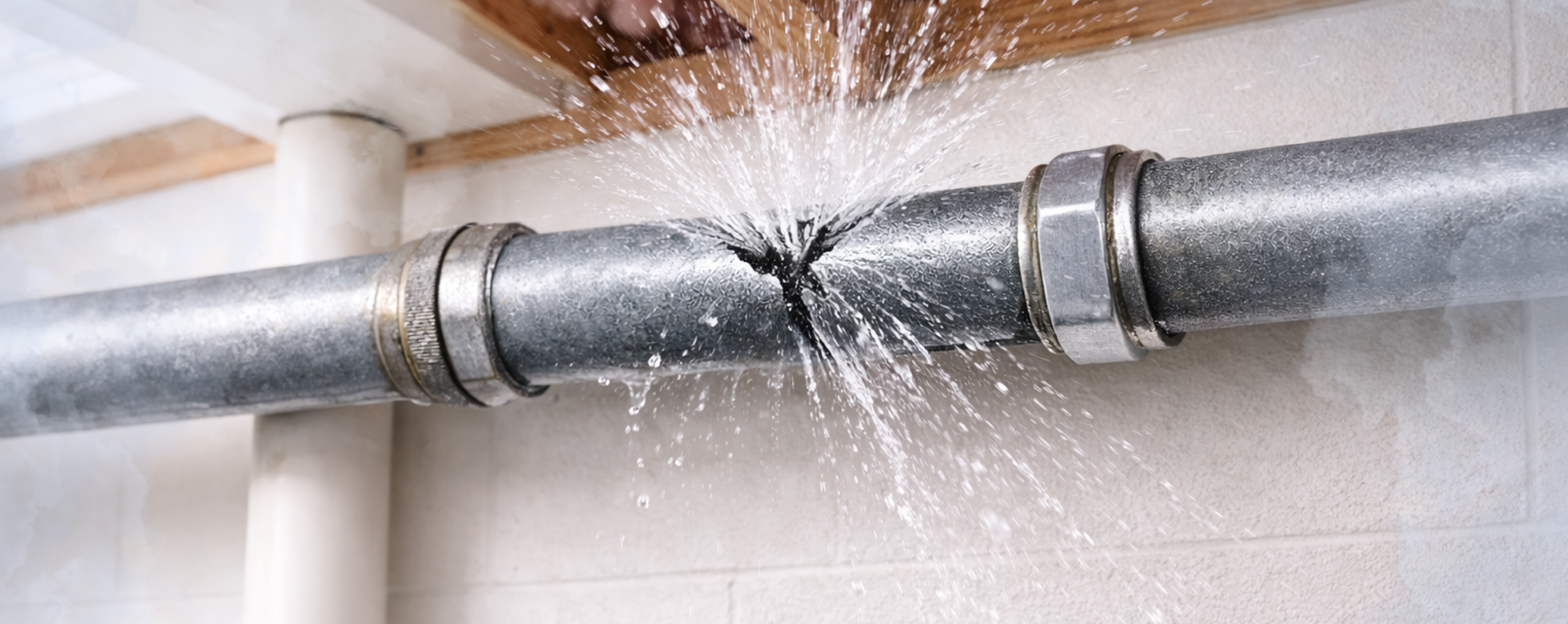
If you’ve ever woken up on a freezing January morning, turned on the tap, and gotten nothing but a weak trickle—or worse, nothing at all—you know how fast frozen pipes can ruin your day. One minute you’re thinking about coffee, the next you’re searching for an emergency plumber and hoping the basement isn’t flooding.
Frozen pipes are one of the most common winter plumbing problems for homeowners in cold climates. The good news? They’re also one of the most preventable. With a little preparation and a few smart habits, you can dramatically reduce the risk of frozen or burst pipes this winter.
Below are ten practical tips to help protect your plumbing system, your home, and your peace of mind when temperatures drop.
Emergency Prep: Start Here
1. Know where your main water shut-off valve is
If a pipe freezes and bursts, shutting off the water quickly can limit serious damage. Take a few minutes now to locate your main shut-off valve—it’s usually in the basement, crawl space, or where the water line enters your home. This is not something you want to be searching for during an emergency.
Outdoor Hose Bibs: Small Steps, Big Impact
2. Disconnect all hoses from outdoor faucets
Leaving hoses attached traps water inside the pipe. When temperatures drop below freezing, that water expands and can crack the pipe or faucet. Disconnect, drain, and store hoses until spring.
3. Shut off and drain non–frost-free hose bibs
If your home doesn’t have frost-free hose bibs, turn off the interior isolation valve and open the outdoor faucet to drain any remaining water. This helps prevent freezing inside the pipe.
4. Insulate outdoor faucets
Foam hose bib covers are inexpensive, easy to install, and add an extra layer of protection against cold air.
5. Consider upgrading to frost-free hose bibs
Frost-free bibs keep the water line inside the heated portion of your home, greatly reducing the risk of freezing. If you’re already planning plumbing upgrades, this is a smart long-term improvement.
Unconditioned Spaces: Where Pipes Are Most Vulnerable
6. Inspect and insulate exposed pipes
Pipes in basements, crawl spaces, garages, and attics are especially vulnerable to freezing. Make sure insulation is secure and covers all exposed sections.
7. Shut off and drain sinks in unheated areas
Utility sinks in garages or outdoor bars are common freeze points. If you’re not using them in winter, shut off the supply and drain the lines.
Extra Protection During Extreme Cold
8. Let faucets drip when temperatures fall below 10℉
A slow, steady drip keeps water moving and reduces the chance of freezing, especially for pipes located in unconditioned spaces.
9. Open cabinet doors under sinks
If plumbing runs behind cabinets—especially on exterior walls—opening the doors allows warm air to circulate around the pipes.
When to Call a Professional
10. Don’t wait if something feels off
If you notice reduced water flow, frost on exposed pipes, or a sudden loss of water, shut off your main valve and contact a provider offering professional plumbing services to prevent further damage.
Along with protecting your pipes, staying on top of heating system maintenance can help keep indoor temperatures stable and reduce freeze risk throughout your home.
A Little Prep Goes a Long Way
Winter plumbing issues can escalate quickly, but a bit of attention now can save you money, stress, and a whole lot of cleanup later.
Need our help today?
Subscribe To Our Newsletter
Join our mailing list to receive the latest news and updates from our team.
You have Successfully Subscribed!