
Six Signs Your Furnace Heat Exchanger Has Gone Bad
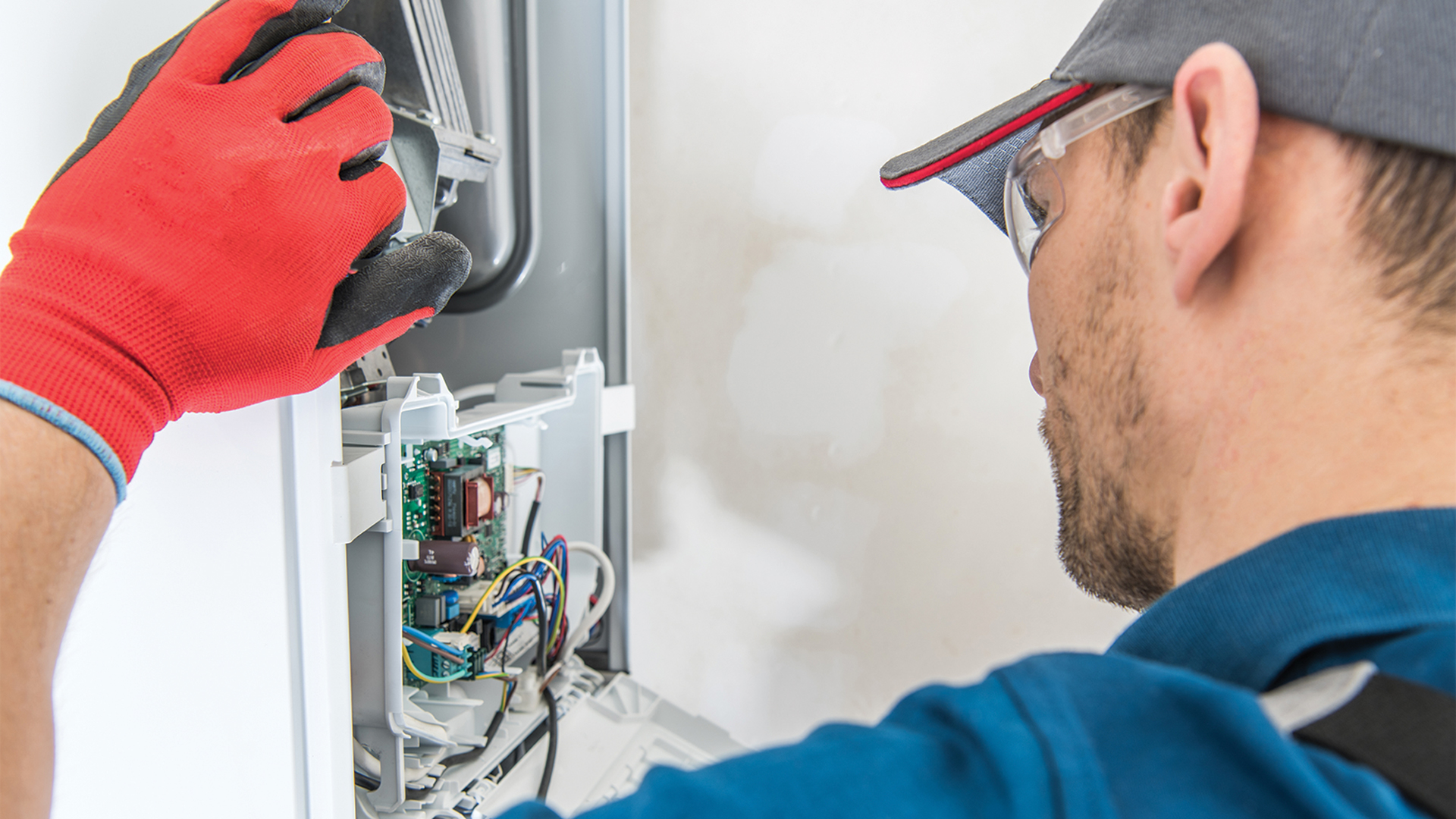
Furnaces rely on a heat exchanger to provide warm air throughout your home. It is an essential part of your heating system, and any issues with it will not only lead to a breakdown of your furnace but also pose serious risks to the health and safety of your home.
Your furnace combusts gas in a sealed chamber in order to create heat. This chamber is called a heat exchanger and plays the integral role of shielding toxic “flue gases” (the gas and combustion fumes) from entering the blower, which distributes warm air through the ducts and vents of your home. To work properly and prevent these unhealthy gases from escaping, the heat exchanger must have an air-tight seal to keep contamination away from your breathing air.
How and Why Heat Exchangers Fail
If you think your furnace may be failing, or suspect the heat exchanger is damaged, call Anchor Mechanical to schedule an inspection.
A common reason your heat exchanger will fail can simply be a dirty, clogged air filter. A clogged air filter restricts airflow through the furnace and overheats the heat exchanger, which eventually results in stress cracks.
Also, it is important that your furnace is sized appropriately for your home. An over-sized furnace can also cause overheating and crack the heat exchanger.
However, the most common reason that a heat exchanger will crack is just normal wear and tear. Heat exchangers, made of metal, go through continuous expansion (as it heats up) and contraction (as it cools). Over a span of time, this will simply cause the metal to fatigue and crack. Manufacturers recommend a service life of a gas furnace to be between If you think your furnace may be failing, or suspect the heat exchanger is damaged, call Anchor Mechanical to schedule an inspection.
15-20 years. To help prolong the life of your furnace, schedule yearly inspections and change your air filters annually, at minimum.
A cracked heat exchanger poses a serious threat to the safety of your home. If there’s a crack in one of the cells of the heat exchanger, the gases being burned – carbon monoxide, sulfur dioxide, nitrous oxide – could leak into your home, causing illness or, in extreme cases, death.
Six Signs Your Furnace Heat Exchanger May be Cracked
1. Strange smells. A malfunctioning heat exchanger will often create an unpleasant and strong odor that smells similar to formaldehyde.
2. Soot Build-up. White soot build-up in or around the burners of your furnace.
3. Corrosion & Cracks. If you find corrosion or cracks in other components of your furnace, such as the draft diverter box or inducer motor, call us immediately.
4. Change in the flame appearance. In most furnaces, you can see the flame that heats your air. Remember: blue is normal, orange, or yellow is not.
5. Audible Sounds. If you have a crack in the heat exchanger, you are likely to hear a rattling noise as your thermostat turns on the heat. Because the heat exchanger is made from metal, as it is heated cracks will expand/contract, and can cause rattling, popping, and/or banging noises.
6. Presence of Carbon Monoxide. Carbon monoxide (CO) is an odorless, colorless, and tasteless flammable gas which is toxic. A failed heat exchanger may leak CO into your home. Only a carbon monoxide detector or alarm will alert you of the presence of CO; however, do not completely rely on a CO alarm to discover a failed heat exchanger – we recommend yearly inspection of your furnace and heating system.
What are my options?
If your heat exchanger has gone bad, you have two options: replace the heat exchanger or replace the furnace. If it is available, the best way to repair a cracked heat exchanger is to remove the damaged cell and replace it. However, it is possible that other parts and controls in the furnace may also be in need of replacement at this point. Often this is a repair that is too expensive compared to replacing the whole furnace and while bringing it up to current code requirements.
Reach out to Anchor Mechanical at 410-452-5601 if you have any questions – your family’s health and safety is our top priority.
Related Posts:
Repair or Replace? 5 Things to Consider Before Making the Call
When your HVAC system starts giving you trouble, deciding whether to repair or replace it isn’t always easy. Here are five key factors to consider before making the call.
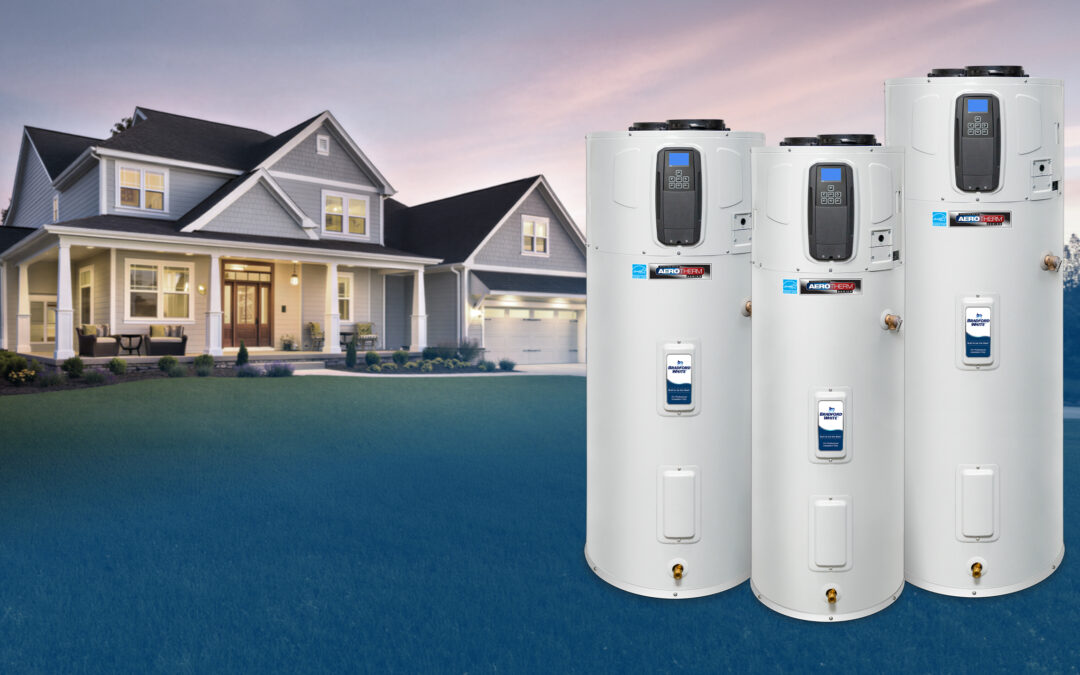
Heat Pump Water Heaters in Maryland: Benefits, Rebates & Energy Savings
Before replacing your water heater, learn why more Maryland homeowners are choosing high-efficiency heat pump water heaters for energy savings, rebates, and long-term performance.
How to Prevent Summer HVAC Failures (And Why It Matters for Your Business)
Most commercial HVAC failures are preventable. Learn how proactive maintenance can help reduce downtime, improve efficiency, and keep your building comfortable all summer long.
Subscribe To Our Newsletter
Join our mailing list to receive the latest news and updates from our team.
You have Successfully Subscribed!