
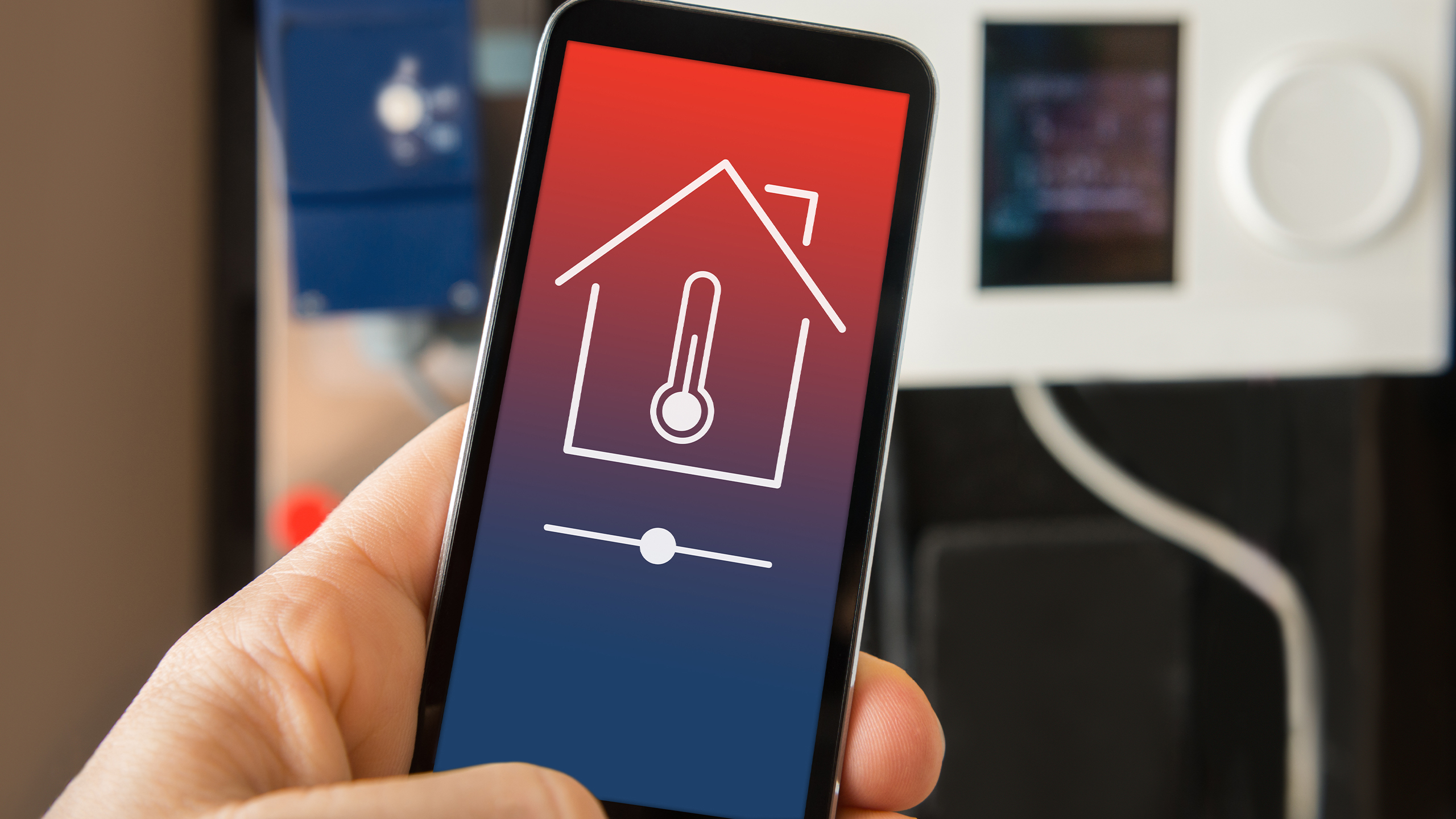
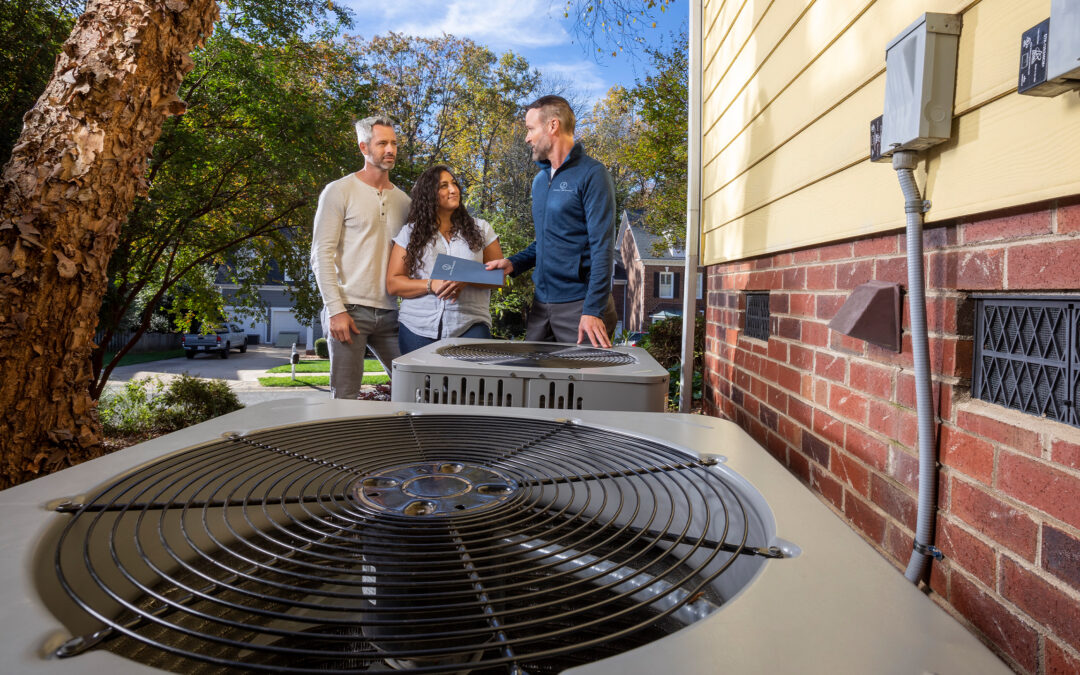
The first chilly mornings are starting to arrive across Harford, Baltimore, and Cecil counties, which means your heating system will soon be back to work.
For many homeowners, turning on the heat is no big deal. But if your furnace or heat pump is getting older, needs frequent repairs, or struggled to keep up last winter, this fall may be a good time to start thinking about what comes next.
HVAC equipment and material costs continue to change, too. Planning ahead gives you time to understand your options, budget for a replacement, and avoid making a rushed decision during a mid-winter breakdown.
Here’s what Maryland homeowners should know as we head into another heating season.
Signs Your Heating System May Be Nearing the End
Many furnaces last around 15 to 20 years, while heat pumps typically last around 10 to 15 years. Actual system life can vary depending on maintenance, usage, installation, and other factors.
Age alone doesn’t mean your system needs to be replaced, but an older system combined with performance problems can be a sign that it’s time to start considering your options.
Watch for:
- Rising energy bills: If heating costs are increasing without a significant change in how you use your home, your system may be losing efficiency.
- Frequent repairs: An occasional repair doesn’t necessarily mean you need a new system. But repeated service calls can make replacement worth considering.
- Uneven heating: Rooms that are consistently too hot or too cold can indicate system, airflow, or ductwork problems that should be evaluated.
- Unusual noises: Banging, rattling, squealing, or other new sounds shouldn’t be ignored.
- Short cycling: A system that frequently turns on and off may not be operating properly.
- Older refrigerant: If you have an older heat pump or air-conditioning system that uses R-22 refrigerant, repair decisions deserve additional consideration. New R-22 is no longer produced or imported into the United States, although reclaimed refrigerant can still be used to service existing equipment.
If you’re facing a significant repair on an older system, ask your HVAC contractor to compare the cost of the repair with the cost and long-term benefits of replacement.
Learn more about Anchor Mechanical’s residential HVAC services →
Why HVAC Prices Are in the News This Fall
If you’ve been putting off an HVAC replacement, there’s another factor worth considering: equipment and material costs continue to change.
Industry publication ACHR News reported another round of HVAC-related price increases in September 2026, with announced increases ranging from 5% to 15% across certain manufacturers, suppliers, parts, and product categories.
That doesn’t mean every residential HVAC system suddenly costs 5% to 15% more. The final price of an HVAC replacement depends on the equipment, system size, efficiency level, installation requirements, available incentives, and other factors.
It does, however, reinforce the value of planning ahead.
If your current system is already showing signs that replacement may be on the horizon, getting an estimate this fall can help you understand current costs and available options before you’re dealing with an unexpected breakdown.
Read the September 2026 HVAC Price Increase List from ACHR News →
Today’s HVAC Systems Are Changing, Too
If your current HVAC system was installed 10, 15, or even 20 years ago, you may notice some significant differences when you begin researching replacement equipment.
Newer systems can offer higher efficiency, improved comfort controls, variable-speed technology, smart thermostat compatibility, and other features that weren’t as common when older systems were installed.
The HVAC industry is also transitioning to newer refrigerants. That makes proper equipment selection and installation especially important.
The best system isn’t necessarily the one with the longest list of features. It’s the one that is properly sized, correctly installed, and suited to your home, comfort needs, and budget.
Why Fall Is a Good Time for Harford County Homeowners to Plan an HVAC Replacement
Waiting until your heating system stops working can turn a major home improvement decision into an emergency. Planning ahead gives you more control over the process.
You Have Time to Compare Your Options
Furnace? Heat pump? Dual-fuel system? Different efficiency levels?
There isn’t one answer that’s right for every Maryland home. Starting the conversation before your existing equipment fails gives you time to understand the differences and make a more informed decision.
You Can Explore Rebates, Incentives, and Financing
Depending on your utility provider and the equipment you choose, incentives may be available for qualifying high-efficiency HVAC systems.
Maryland programs through utilities including BGE and Delmarva Power currently offer incentives for certain qualifying HVAC equipment. Eligibility, equipment requirements, and incentive amounts can change, so homeowners should review current program requirements when considering a replacement.
You can learn more about current residential HVAC efficiency programs through BGE and Delmarva Power.
You can also explore Anchor Mechanical’s current offers, rebates, and financing options →
You Can Address Comfort Problems Before Winter
If certain rooms were difficult to heat last year or your system struggled during colder weather, planning a replacement before winter gives you an opportunity to address those concerns before temperatures drop.
You Reduce the Risk of an Emergency Decision
A no-heat call on a freezing winter morning isn’t the ideal time to compare equipment, efficiency ratings, features, and budgets.
Planning ahead allows you to make those decisions on your schedule rather than your furnace’s.
Not Ready to Replace? Start With a Heating Tune-Up
Not every older heating system needs to be replaced.
If your equipment is still performing well—or you simply aren’t sure what condition it’s in—a professional heating tune-up is a smart place to start.
Routine maintenance can help:
- Identify developing problems before they become larger repairs
- Check critical safety devices and system components
- Help your system operate safely and efficiently
- Reduce the risk of an unexpected breakdown
- Give you a better understanding of your system’s overall condition
For a limited time, Anchor Mechanical is offering a $69 Heating Tune-Up for gas and electric heating systems.
Our comprehensive tune-up includes checking electrical connections, motors and capacitors, heating and combustion components, thermostat operation, system controls, safety devices, air filter condition, and overall system performance.
Offer applies to gas and electric heating systems only. Oil furnaces and boilers are excluded.

Subscribe To Our Newsletter
Join our mailing list to receive the latest news and updates from our team.
You have Successfully Subscribed!